Steps to Identifying the Fitting General Contractor for Your Next Home Project
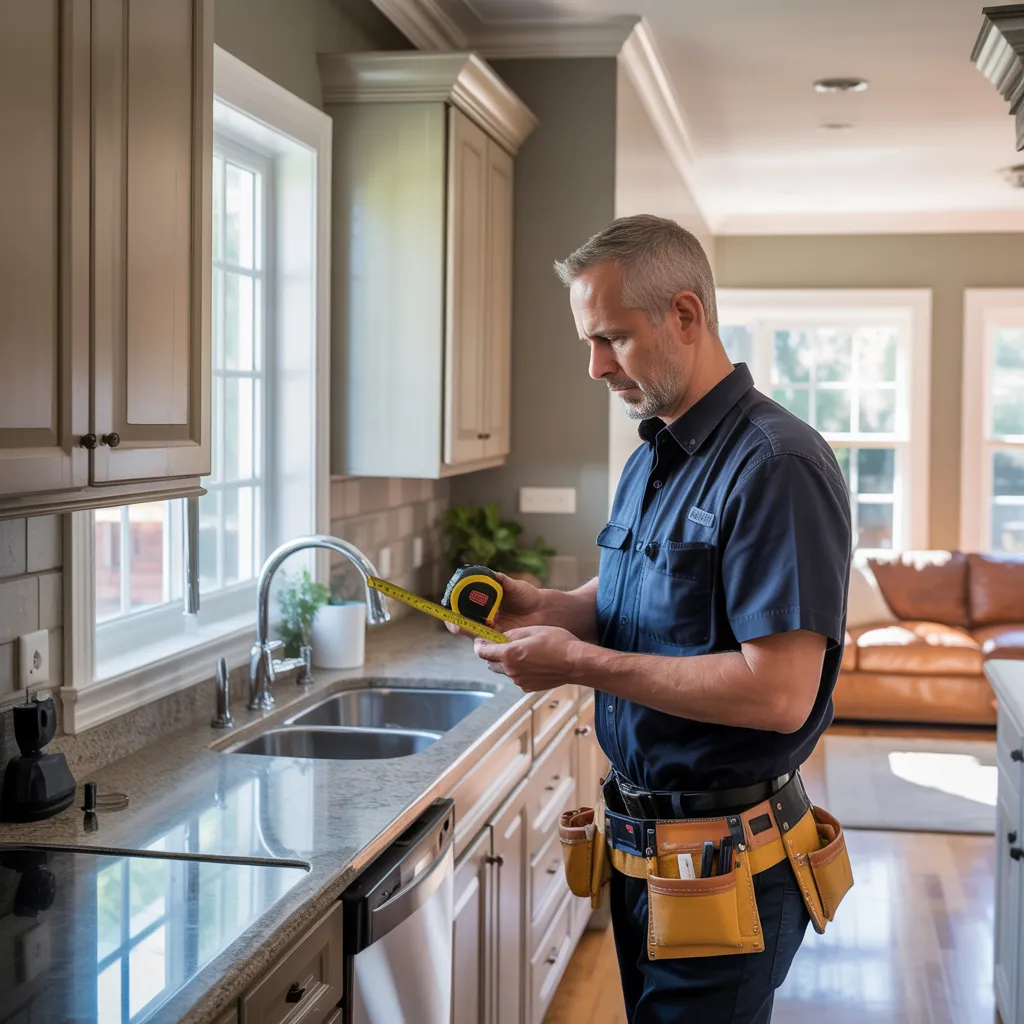
Determining the best construction partner for a home project is an important determination. This requires thorough analysis of assorted elements, including experience, certifications, and interpersonal skills. Numerous homeowners disregard key considerations, resulting in financial hardships. Grasping how to evaluate candidate contractors can create meaningful change. By emphasizing primary standards and posing appropriate questions, you can work through this complicated undertaking more successfully. What are the critical measures to guarantee a successful collaboration?
How to Dodge Usual Traps When Selecting a Contractor
When selecting a professional, how can one cope with the numerous of alternatives without making typical mistakes? Prospective clients regularly ignore important elements that can lead to disappointing experiences. First, considering price alone can be unreliable; the minimum quote may mean poor standards or concealed expenses. Additionally, not reviewing referrals or web evaluations can cause selection of a bad builder. It is also necessary to avoid choosing merely because of charm; a charming professional may not possess the necessary skills or reliability. Moreover, not setting clear communication and goals can bring about misinterpretations and dissatisfaction. Finally, neglecting to carefully read agreements before signing can result in unexpected obligations or lack of protection. By being vigilant and informed, homeowners can make more confident decisions, finally achieving a successful outcome.
What to Look For in a Contractor's Experience
When assessing a contractor's experience, multiple important elements come into play. Relevant project experience, professional certifications, and an comprehensive portfolio of finished projects serve as critical indicators of their abilities. Assessing these aspects can offer useful information into the contractor's suitability for the particular job at hand.
Applicable Project Experience
Recognizing a contractor's relevant expertise is vital for securing the success of any building endeavor. Interested clients should examine the contractor's body of work, prioritizing on finished projects similar in scope and style to their own. This means examining the standard of craftsmanship, adherence to timelines, and expense management in previous undertakings. Also, it is beneficial to inquire about the types of materials used and the contractor's grasp with local building codes and regulations. Testimonials and citations from earlier clients can provide understanding into the contractor's dependence and people skills. In conclusion, a contractor with substantial relevant experience can handle challenges effectively, making sure the project meets the homeowner's preferences and criteria.
Sector Qualifications And Licenses
Certification and licensing serve as essential indicators of a contractor's professional competence and skill in the construction industry. When selecting a general contractor, it is vital to confirm that they possess the necessary licenses mandated by local and state regulations. These licenses show adherence to building codes and safety standards. Additionally, industry certifications, such as those from the National Association of Home Builders or similar organizations, reflect a contractor's commitment to quality and ongoing education. Contractors with specialized certifications may also possess skills in specific areas, such as green building or remodeling. Verifying that a contractor has the appropriate credentials not just enhances confidence in their capabilities but also reduces potential legal and financial risks during the project.
Portfolio Of Executed Work
A contractor's portfolio containing completed work functions as an important asset for judging their experience and competencies. This compilation ought to display a documentation range of projects, demonstrating flexibility in multiple styles and complexities. When reviewing a portfolio, potential clients should look for high-quality photographs that clearly illustrate the quality involved. It is also helpful to see projects that correspond to the homeowner's unique needs or aesthetic preferences. Attention to detail, original solutions, and sticking to timelines are key signs of a contractor’s expertise. Additionally, client feedback or case studies in the portfolio can give greater insights into the contractor's work ethic and trustworthiness. Ultimately, a robust portfolio can help homeowners make informed decisions about their upcoming projects.
How to validate Your Contractor's Credentials and Licenses
It is vital to verify a general contractor's qualifications and certifications before engaging their services, ensuring they fulfill industry standards. Check with state licensing agencies to ensure the contractor possesses the necessary licenses needed for your area and project type. Understanding that each state maintains its own regulations can avoid future complications.
In addition, question about insurance coverage, including liability and workers' compensation, to ensure defense against conceivable accidents or damages. Request references from past clients and verify to gauge satisfaction and consistency.
In conclusion, assess any certifications the contractor may possess, as these often indicate specialized training and adherence to industry best practices. A rigorous verification process not only confirms compliance but also instills confidence in the contractor's ability to accomplish the project successfully.
Why Effective Communication Is Important in Your Independent Contractor Connection
Strong dialogue plays a vital role in the contractor-client relationship, determining the project's success from day one. Open discussion establishes expectations, timelines, and budgets, ensuring both parties maintain alignment on the project's goals. When clients express their vision with effectiveness, contractors can provide informed recommendations and solutions, enhancing the overall outcome.
Regular updates and transparent dialogue enable rapid handling of issues as they occur, minimizing possible setbacks. Furthermore, a contractor who listens and responds to client feedback builds trust, which is crucial for collaboration.
In addition, robust dialogue helps with managing modifications and surprise obstacles, holding the project on schedule. It allows the construction professional to adapt strategies based on customer feedback, ensuring contentment during the entire journey. In the end, focusing on engagement not only solidifies the builder-customer bond but also substantially aids in the timely completion of the home project.
Key Queries to Raise to Your Service Provider in Opening Meetings
During preliminary meetings with a contractor, clients need to pay attention to understanding their experience and credentials. It is necessary to review the project timeline and budget to maintain alignment with the client's expectations. These questions lay a foundation for a positive partnership and efficient project management.
Background and Qualifications
Selecting a general contractor depends on understanding their experience and qualifications. Homeowners should ask the contractor's time of experience and the types of projects they have completed. Detailed inquiries regarding permits, accreditations, and insurance are crucial, as these guarantee adherence to local laws and provide protection during the project. Additionally, evaluating previous projects through portfolios or recommendations can offer insight into the contractor's craftsmanship and reliability. It is also helpful to ask about their familiarity with comparable jobs, as this can show their ability to handle specific challenges. Ultimately, evaluating a contractor's background and credentials fosters confidence and helps homeowners choose wisely for their home improvements.
Project Schedule and Budget
How can property owners guarantee their undertaking remains on budget track and temporally when meeting with a general contractor? To maintain alignment, they should ask significant questions during initial meetings. Property owners must ask about the estimated timeline for work completion of the project and any potential delays that could occur. Comprehending the contractor's method to schedule management is essential. Additionally, addressing the budget upfront is vital; property owners should seek clarity on pricing estimates, payment plans, and any included contingencies for unexpected costs. Inquiring into previous projects can offer understanding into the contractor's dependability in meeting deadlines and staying within budget. By establishing clear communication regarding timelines and finances, property owners can cultivate a collaborative partnership with their contractor, improving the probability of a successful project.
Methods for Checking Sources and Reviewing Reviews
What steps should one follow to ensure a general contractor is reliable? First, it is important to request a list of references from potential contractors. A reputable contractor will readily supply names and contact information of previous clients. One should contact these references to inquire about their experiences, emphasizing aspects such as communication, workmanship, and adherence to timelines.
Also, studying online feedback on outlets like Google, Yelp, or Angie's List can give actionable insights. It is imperative to find patterns in the reviews—uniform compliments or complaints can highlight trustworthiness or difficulties.
In addition, looking into any complaints filed with local licensing boards or consumer advocacy groups can disclose a contractor's past performance. Finally, soliciting recent project photos can help assess the excellence of their output. By taking these actions, one can make a more informed determination when hiring a general contractor.
Grasping Independent Professional Pricing Models and Payment Arrangements
Homeowners should also get to know frequent billing terms. Most contractors insist on a deposit upfront, then followed by milestone payments corresponding to project milestones. It's paramount to go over these terms before signing a contract to avoid disagreements. Additionally, homeowners should ask about possible added expenses, such as authorizations or surprise work. Clear dialogue pertaining to cost and payment structures will aid in a transparent working relationship, ultimately guaranteeing a successful project result. Grasping these factors equips homeowners to select appropriately when picking a general contractor.
Frequently Asked Questions
How much time will the project take to finish?
Project timelines often vary with complexity levels and project scope. Generally speaking, you should expect weeks through multiple months for finishing the work. Weather, material sourcing, and available workers can significantly influence the overall schedule for completion.
What Takes Place if Unforeseen Problems Surface During Construction?
If unforeseen problems occur during building, the builder usually assesses the situation, discusses with the property owner, and suggests remedies. Adjustments to the timeline and budget may be necessary, ensuring openness throughout the project.
Is My Project Going to Require Permits or Inspections?
Most projects call for permits and inspections to ensure conformity with local building codes. It is important to connect with a general contractor who knows these requirements, as they can navigate the permitting process effectively.
What Is Your Method to Handling Subcontractors and Their Payments?
A credible construction manager manages sub-contractors by establishing clear contracts specifying payment terms. They ensure prompt payment, keep open communication, and track subcontractor performance, promoting a cooperative setting that contributes to project success and productivity.
How Do You Manage Project Changes or Enhancements?
A versatile methodology to alterations in scope is maintained by the contractor, requiring written documentation for any enhancements. They promise clear communication, examine cost implications, and adjust deadlines accordingly to support the customer's shifting demands and choices.